

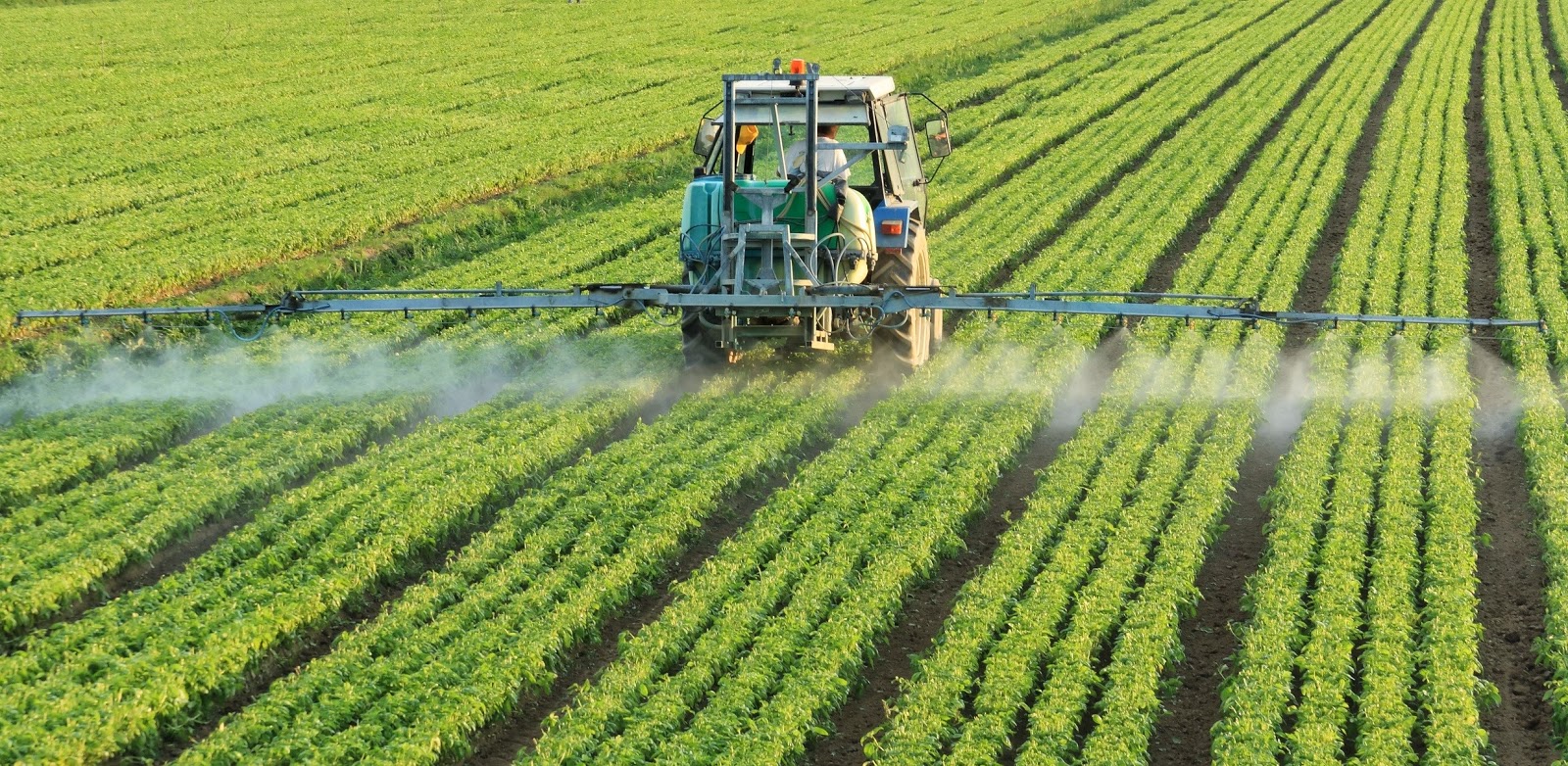
Glyphosate is Now Most Heavily Used Weed-Killer in History
Monsanto's signature herbicide glyphosate, first marketed as "Roundup," is now the most widely and heavily applied weed-killer in the history of chemical agriculture in both the U.S. and globally, according to a landmark report published today in the journal,...
read more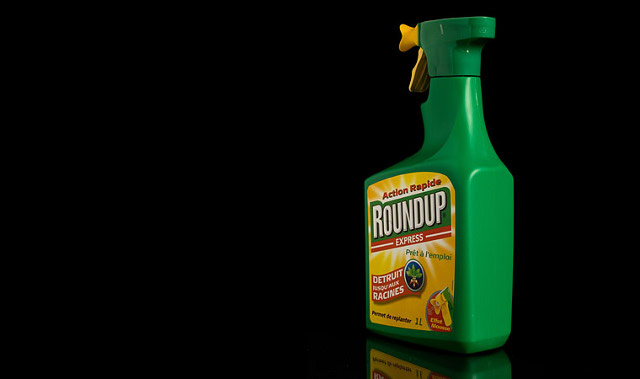
German Environment Agency Finds Increase of Glyphosate in Urine Since 2001
In a survey carried out over 15 years by Germany’s federal environment agency UBA, an increasing percentage of urine samples were found to be contaminated with glyphosate, the World's most used herbicide. Source: GM Watch Source: Umwelt Bundesamt (German text)...
read more
Barcelona Bans Glyphosate in Public Parks
Barcelona’s public parks and green spaces will no longer be treated with the herbicide glyphosate. Ecological alternatives that are more respectful of the health of people and the environment will be sought, according to the city’s municipal Commission for Ecology,...
read more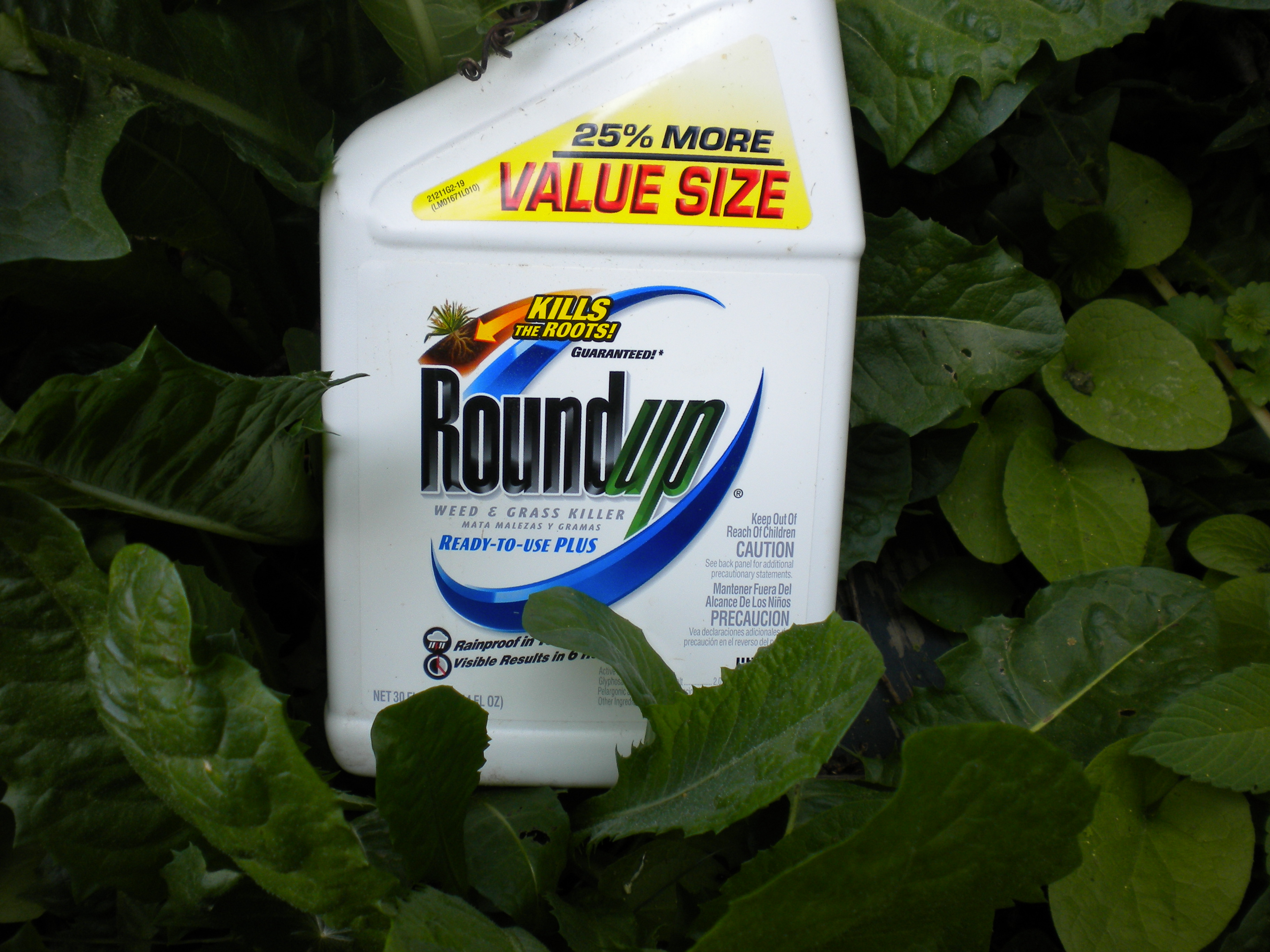
Over 90 scientists challenge EFSA claim of glyphosate safety
In November, the European Food Safety Authority (EFSA) concluded that glyphosate is “unlikely to pose a carcinogenic hazard to humans”. Source: http://www.gmwatch.org/news/latest-news/16568 The EFSA decision, based on the Renewal Assessment Report provided by the...
read more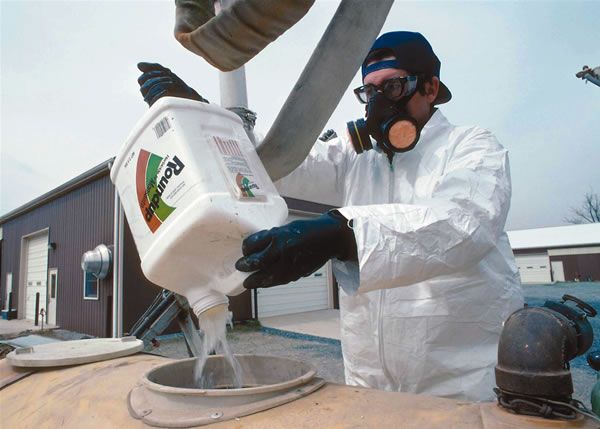
World’s Most Used Herbicide Threatens California’s Poorest Counties
A new report finds that more than half of the glyphosate sprayed in California is applied in the state’s eight most impoverished counties. Glyphosate, commonly known as Roundup, is classified as a probable carcinogen by the World Health Organization and may get a...
read more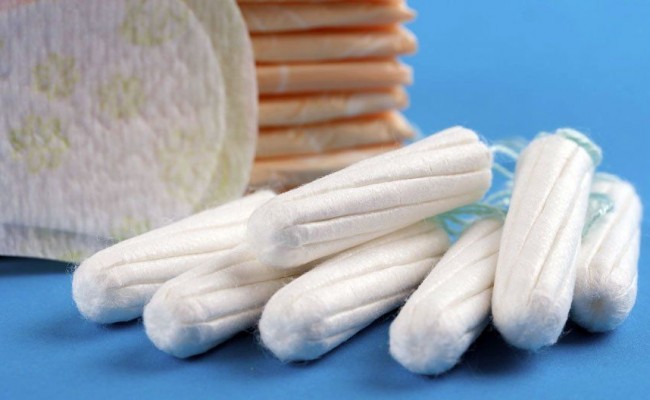
Argentinian Study: Tampons, Sanitary Pads and Sterile Gauze Contaminated with Probable Carcinogen Glyphosate
One hundred percent of the raw cotton and sterile cotton gauze contained glyphosate (a probably carcinogenic herbicide according to the World Health Organization) or its metabolite AMPA, according to a study by the Socio-Environmental Interaction Space (EMISA) of the...
read more